Patient-Centered Behavioral Interventions
Focus on trauma-informed care, community engagement, and patient-centered approaches to behavioral emergencies such as peer support specialists.
KEY AREAS OF RESEARCH
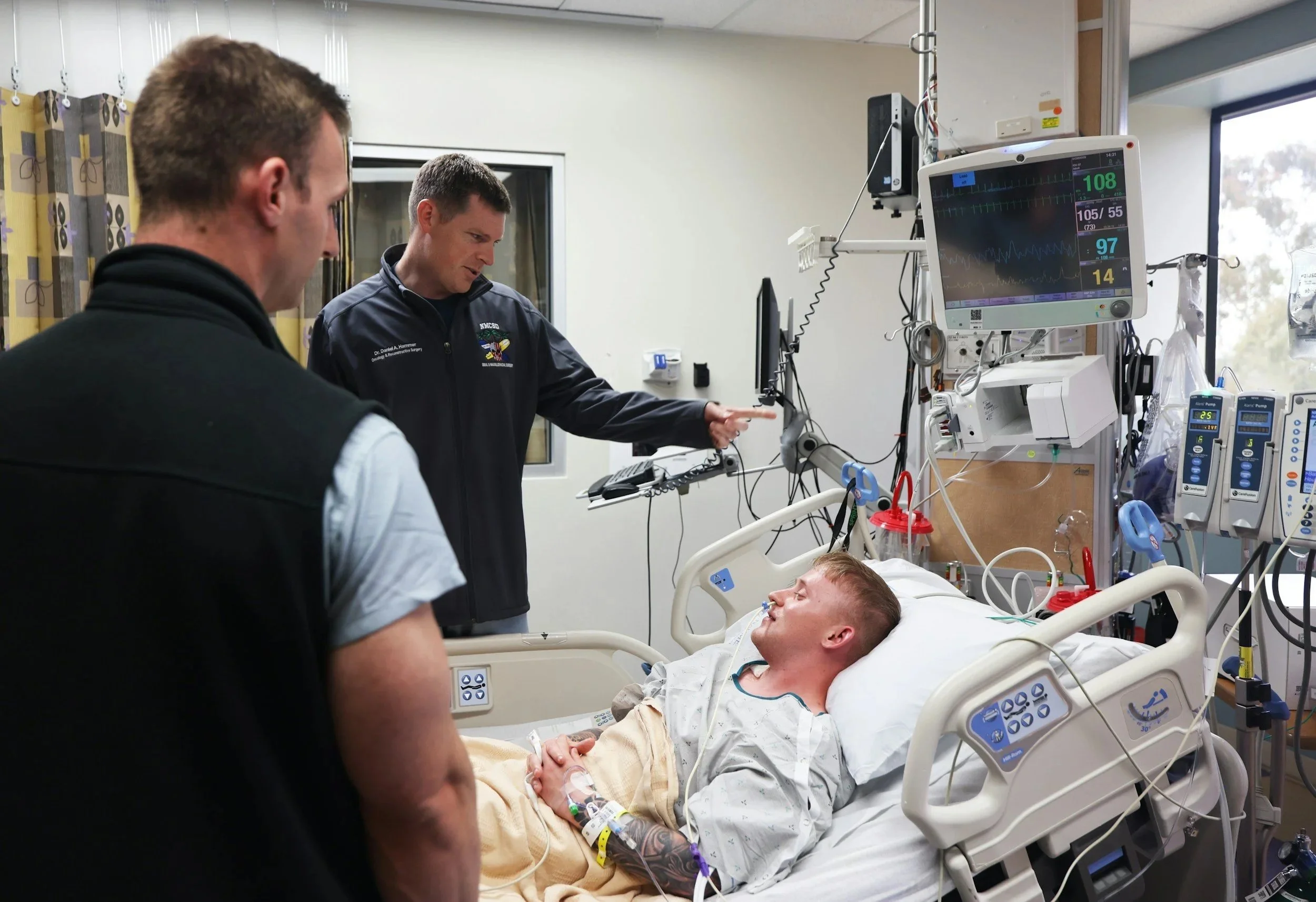
Improving Safety During Behavioral Emergency Care
Enhancing treatment protocols for improved response to behavioral emergencies. Focus on ensuring patient and staff safety through workplace violence prevention and improving safety of protocols with interventions to manage behavioral emergencies.

Interprofessional Cooperation and Teamwork in Emergency Care
Developing specialized approaches for improved teamwork-based interventions for crisis management in the ED. Focus on team science, inter-professional collaboration, simulation-based teamwork and EMS/interdisciplinary care.

Technology to Improve Safety and Quality of Care
Our team focuses on clinical informatics, artificial intelligence, simulation modeling, digital tools, and patient-facing technologies, in order to improve safety and quality of healthcare.
LAB IMPACT
Enhanced trauma response protocols and crisis management techniques involving teamwork
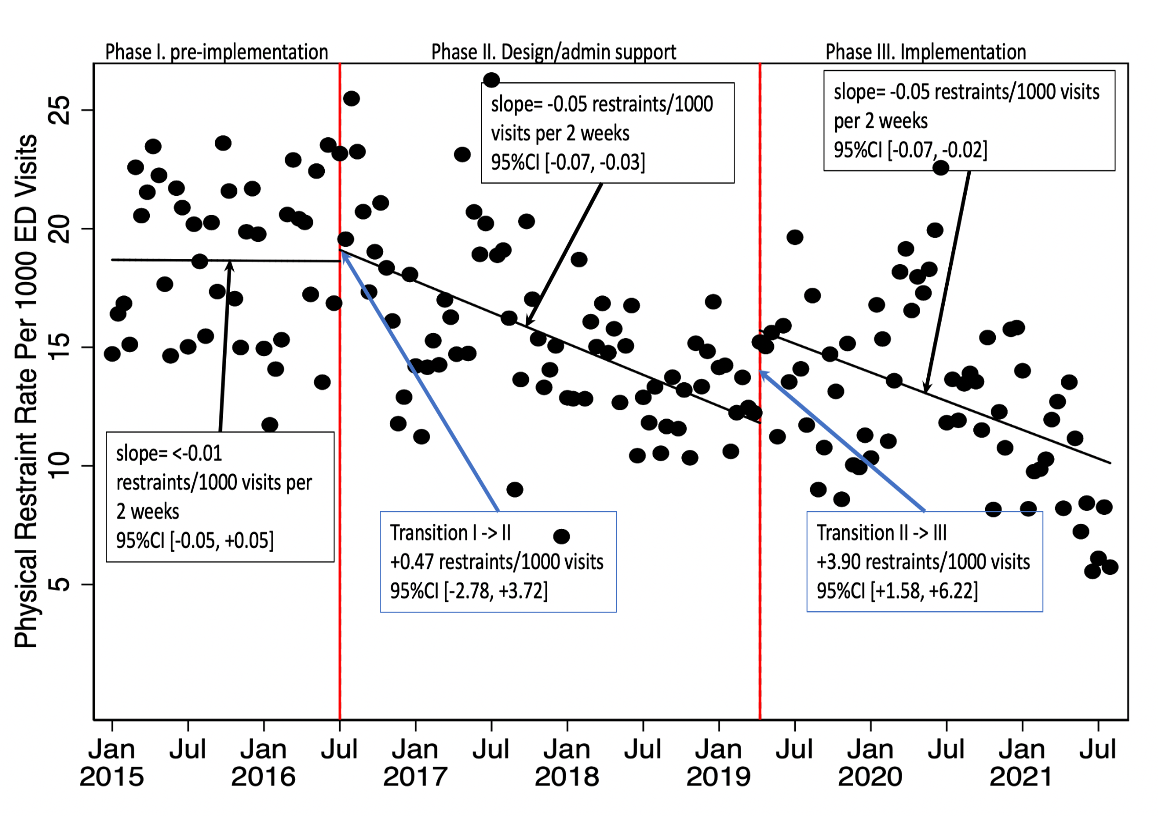
Developed and implemented multidisciplinary Agitation Code Team (ACT) in the ED to standardize and improve safety, teamwork, and trauma-informed management of acute patient agitation while reducing reliance on physical restraints (see more).
Innovative interventions for behavioral emergencies
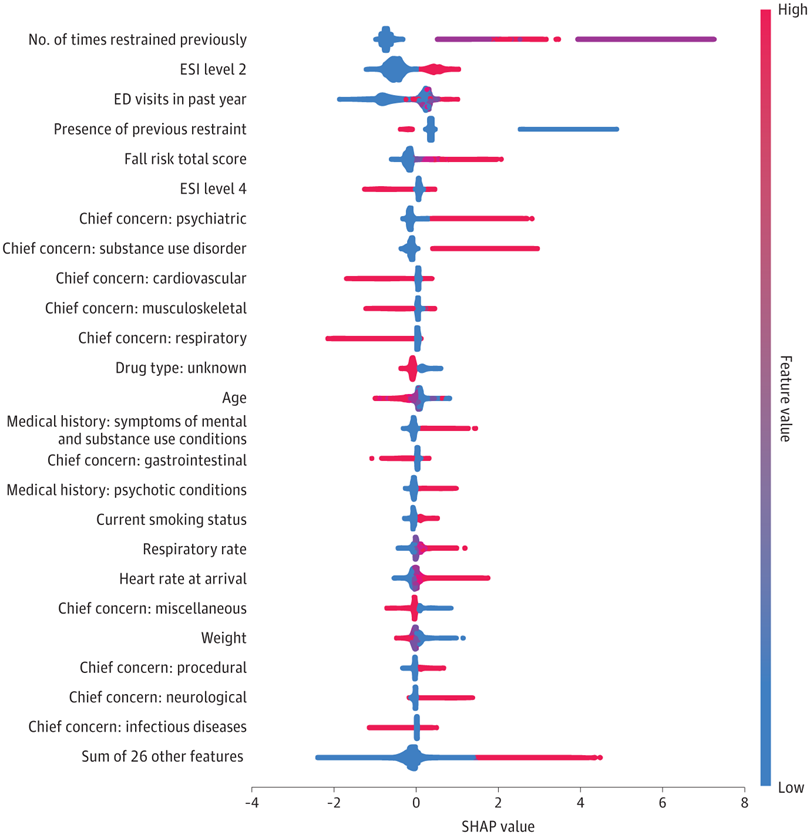
Developed and validated an artificial intelligence model using > 3 million ED visits across 9 hospitals to predict agitation events with high accuracy and equitable performance across demographic groups, enabling earlier intervention to improve patient and clinician safety (see more).
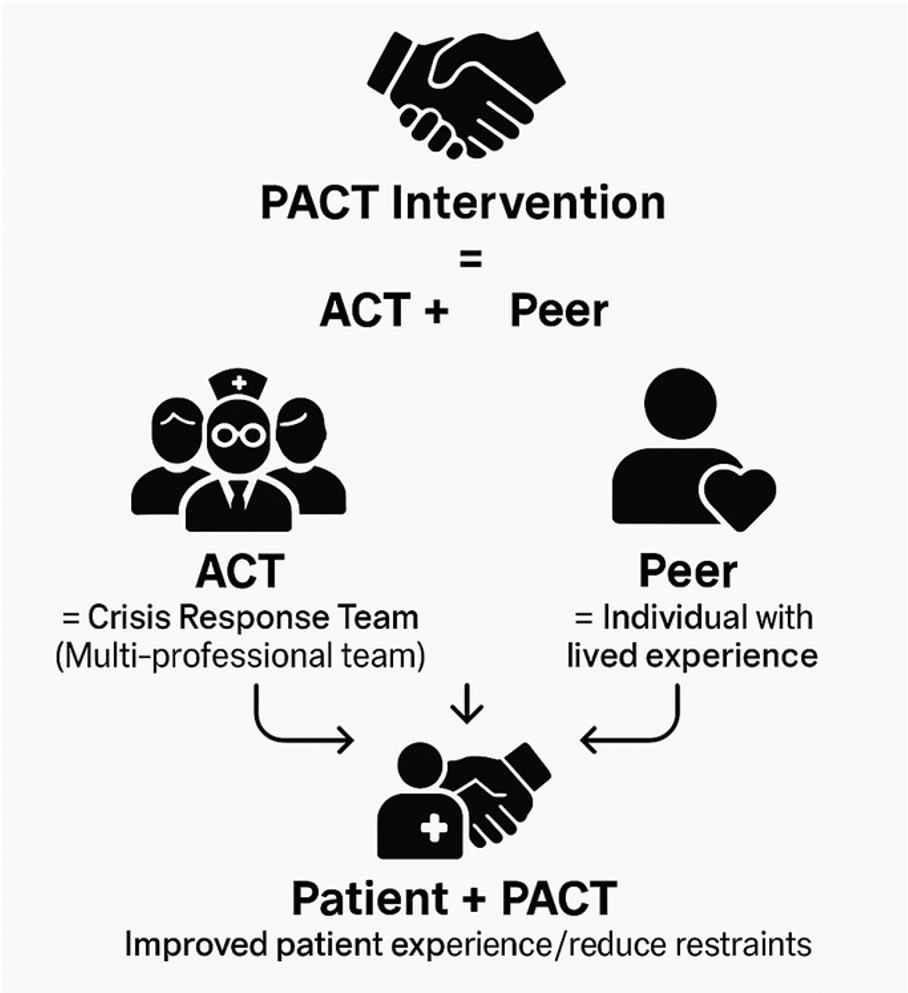
Design and evaluation of the Peer support enhanced Agitation Crisis response Team (PACT), a multidisciplinary emergency department intervention that integrates trained peer support specialists into behavioral crisis response teams to deliver trauma-informed, patient-centered care and reduce restraint use during agitation events (see more).
Coordinated team-based approach to trauma-informed care
Demonstrated that trauma-informed care requires a coordinated team-based approach in which physicians, nurses, security staff, social workers, and patient advocates work together to de-escalate agitation, recognize the impact of implicit bias, and create safer, more compassionate interactions that reduce coercive interventions and improve equity in emergency care(see more).
Conferences
SAEM 2023: Reducing Emergency Department Workplace Violence by Improving Agitation Management Through a Simple, “Best Practices in the Evaluation and Treatment of Agitation”-Centered Curriculum (see more).
SAEM 2024:Best Practices for Managing Agitation and Workplace Violence: Mastering Coordinated Responses (see more).